After 27 years, I had the chance to experience a solar eclipse again, but this time through my camera's viewfinder. It was such an amazing moment and, more importantly for me, my first opportunity to actually photograph one.
I was lucky enough to be spending this period on the Baltic Sea coast in Poland. Somehow, I had completely forgotten that a solar eclipse was coming and only read about it on Saturday, just a few days before the event.
That immediately started a race against time.
Preparing for the eclipse
I began searching for a proper solar filter for my camera and certified eclipse glasses. Finding the camera filter was relatively easy, and I managed to order one online in time.
The eclipse glasses were a different story.
I couldn't find them in any of the local shops, while many online stores were already sold out or showing delivery dates after the eclipse. In the end, I had to accept that I wouldn't have glasses in time.
Still, I had the solar filter for my camera and from a photography perspective, that was the most important piece of equipment. For the first time, I was going to be able to photograph a solar eclipse.
The first contact
On August 12, I prepared all my gear and headed to the beach at around 19:00 local time.
I set up the tripod, mounted the camera and lens, carefully attached the solar filter and started searching for the Sun through the camera.
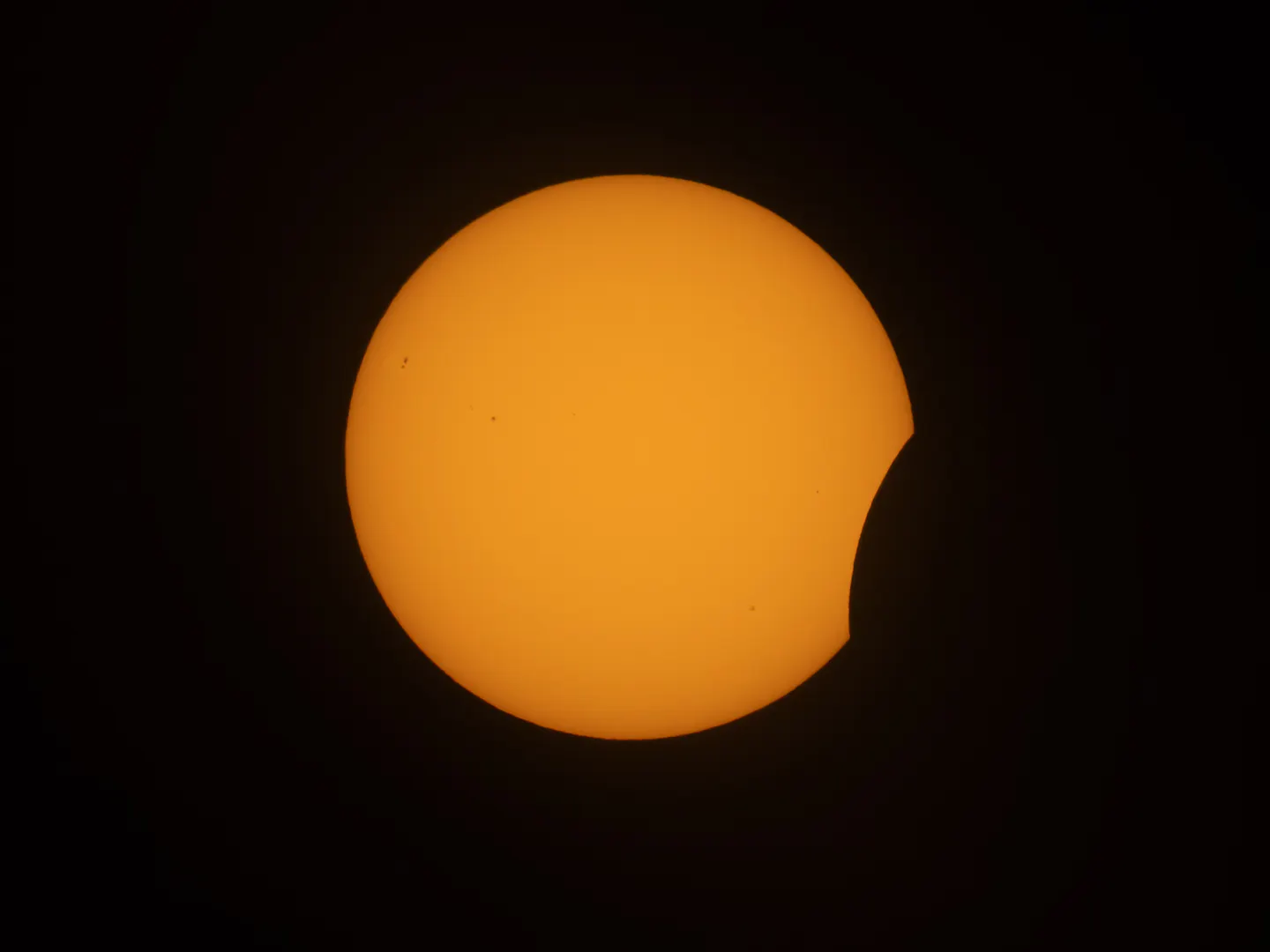
At 19:15, I took my first photograph.
What a moment!
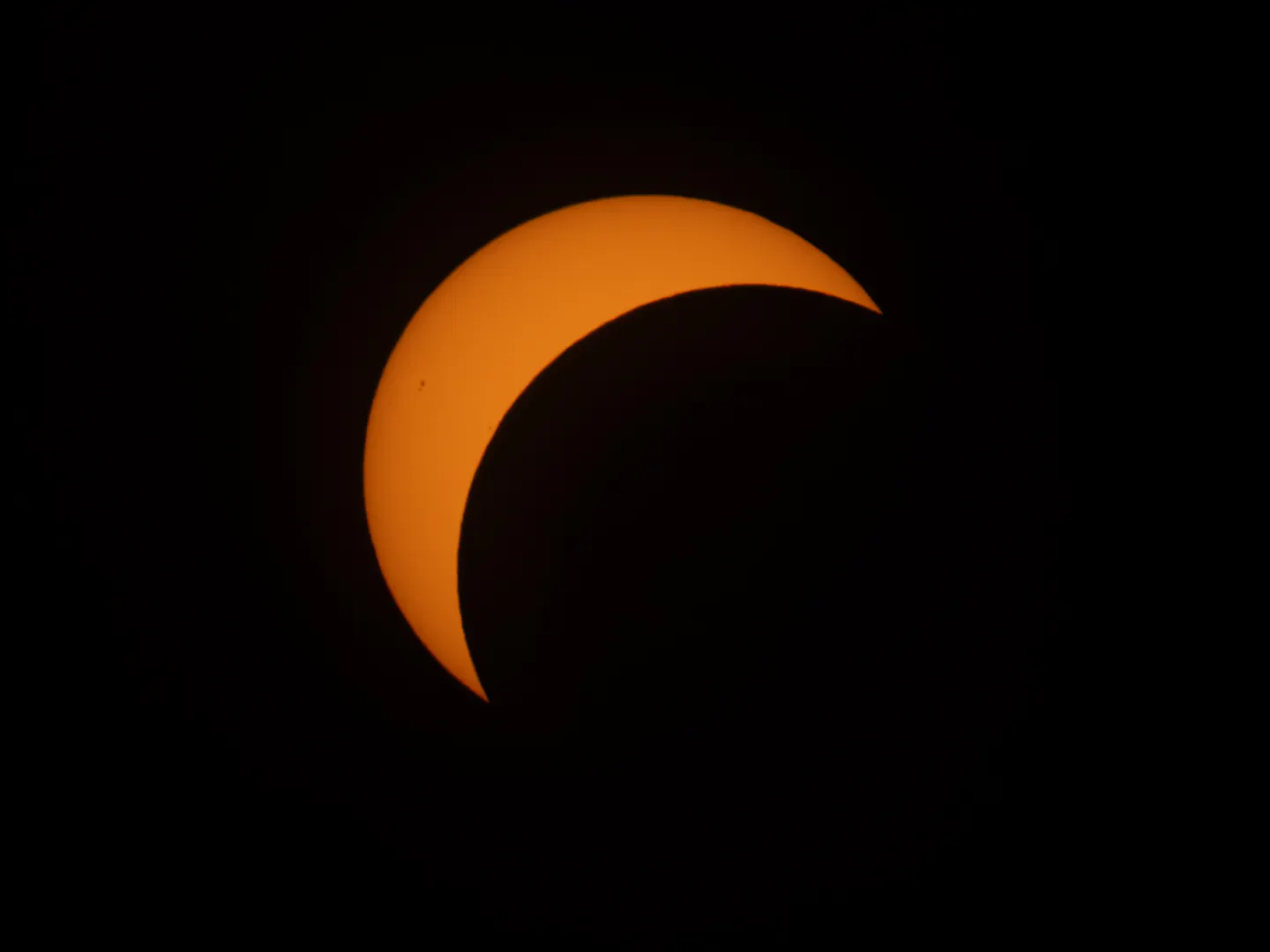
The eclipse had already started a few minutes earlier, and the Moon was beginning to move across the Sun.

First stage of the eclipse - OM System OM-1 Mark II - M.Zuiko 300mm F4 PRO + TC14x
From there, I continued photographing the eclipse as it progressed. Keeping the Sun perfectly framed turned out to be more challenging than I expected. I wasn't using a star tracker, so I had to continuously readjust the composition as the Sun moved across the frame.
And at a focal length of 420mm equivalent to 840mm on full frame even a small movement makes a big difference.
Maximum eclipse
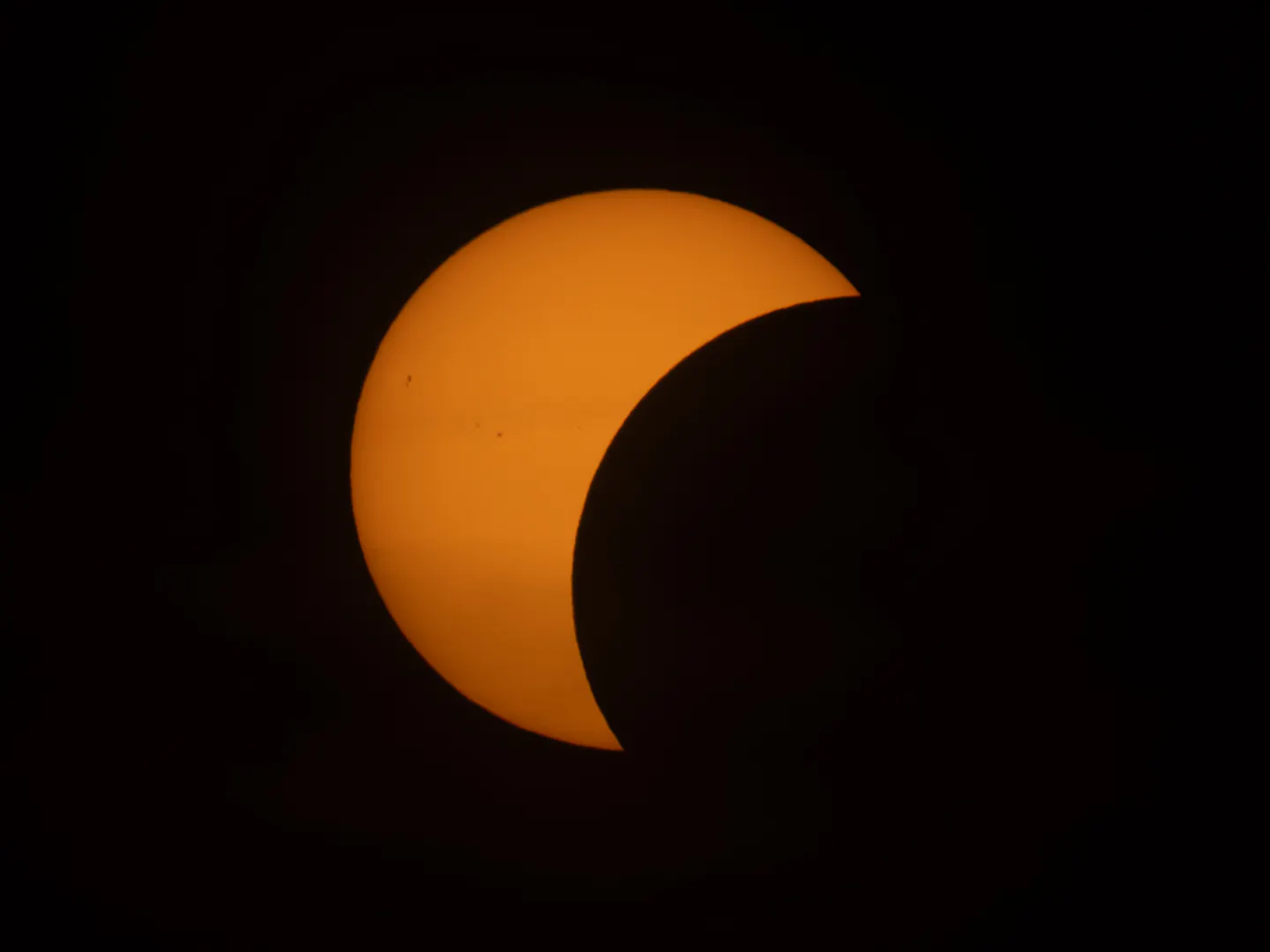
As the Moon continued to cover the Sun, the crescent became thinner and thinner.
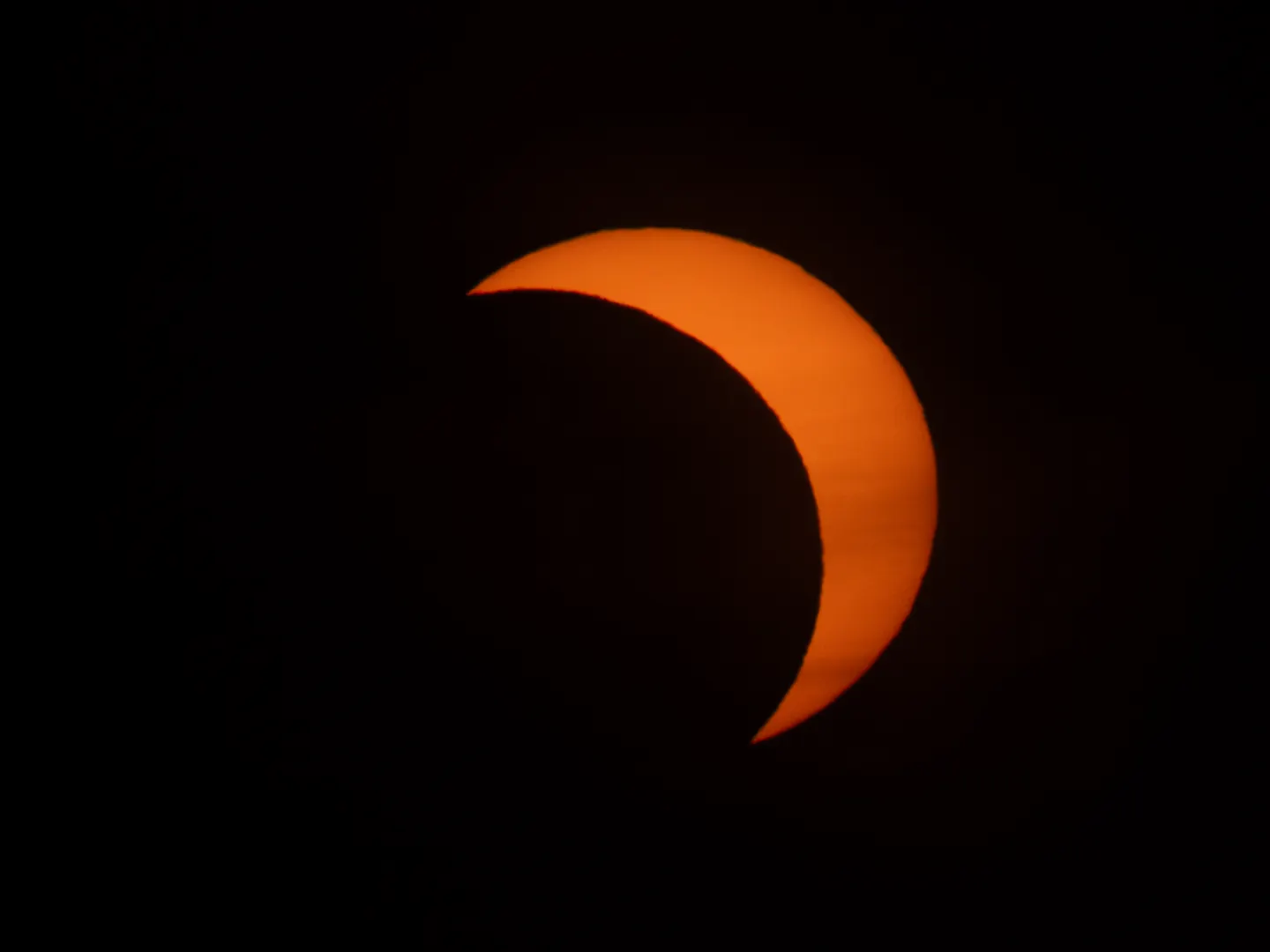
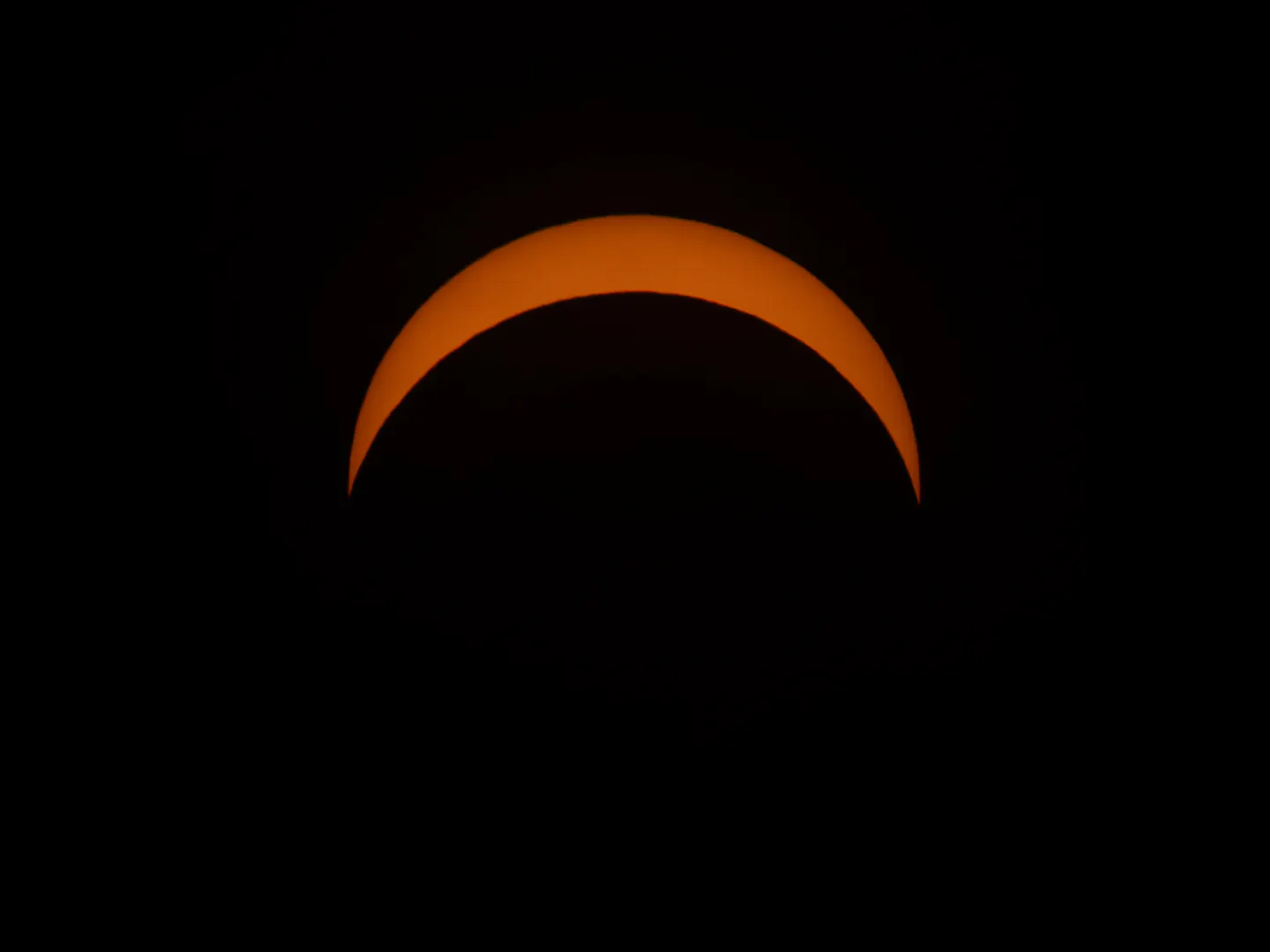
At around 20:05 local time, the eclipse reached its maximum from my location, with approximately 85% of the Sun covered by the Moon.

Maximum eclipse - OM System OM-1 Mark II - M.Zuiko 300mm F4 PRO + TC14x
Seeing such a thin crescent of sunlight through the camera was incredible.
It was one of those moments when all the preparation, searching for equipment and constantly readjusting the camera suddenly felt completely worth it.
An eclipse at sunset
But the spectacle wasn't over yet.
After maximum coverage, the Moon slowly began moving away from the Sun while both were getting closer and closer to the horizon.
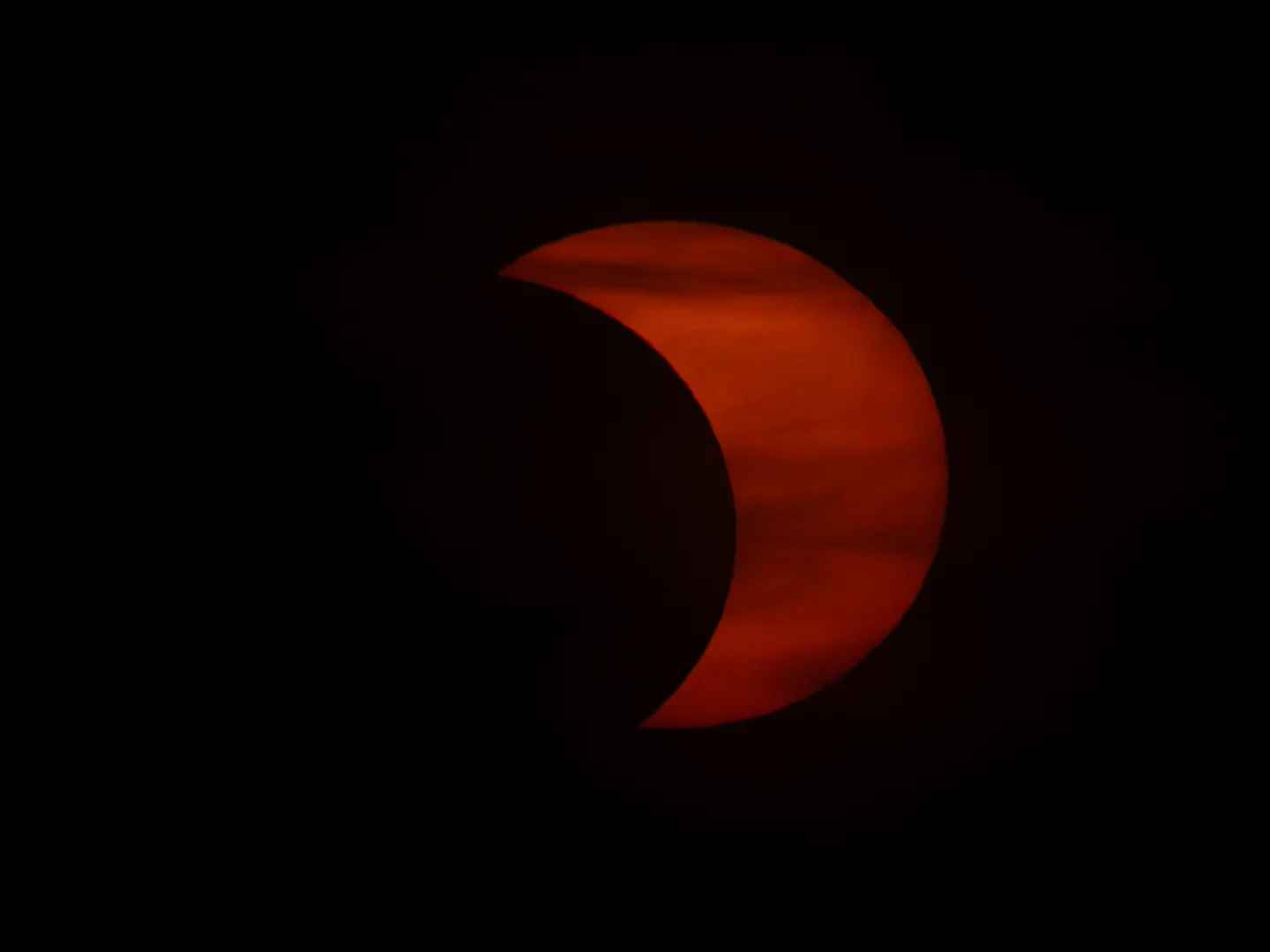
The eclipse gradually transformed into an amazing Baltic Sea sunset.

Eclipsed Sun approaching the horizon - OM System OM-1 Mark II - M.Zuiko 300mm F4 PRO + TC14x
Watching and photographing an eclipse so late in the evening made the experience even more special. Instead of simply photographing the different phases of the eclipse against an empty sky, the final part became a combination of astronomical photography and a Baltic sunset.
And somehow, even that wasn't the end of the night.
From a solar eclipse to the Perseids
After sunset, the sky had another show waiting.
The night of August 12–13 was also around the peak of the Perseid meteor shower, with dozens of meteors potentially visible every hour under good conditions.
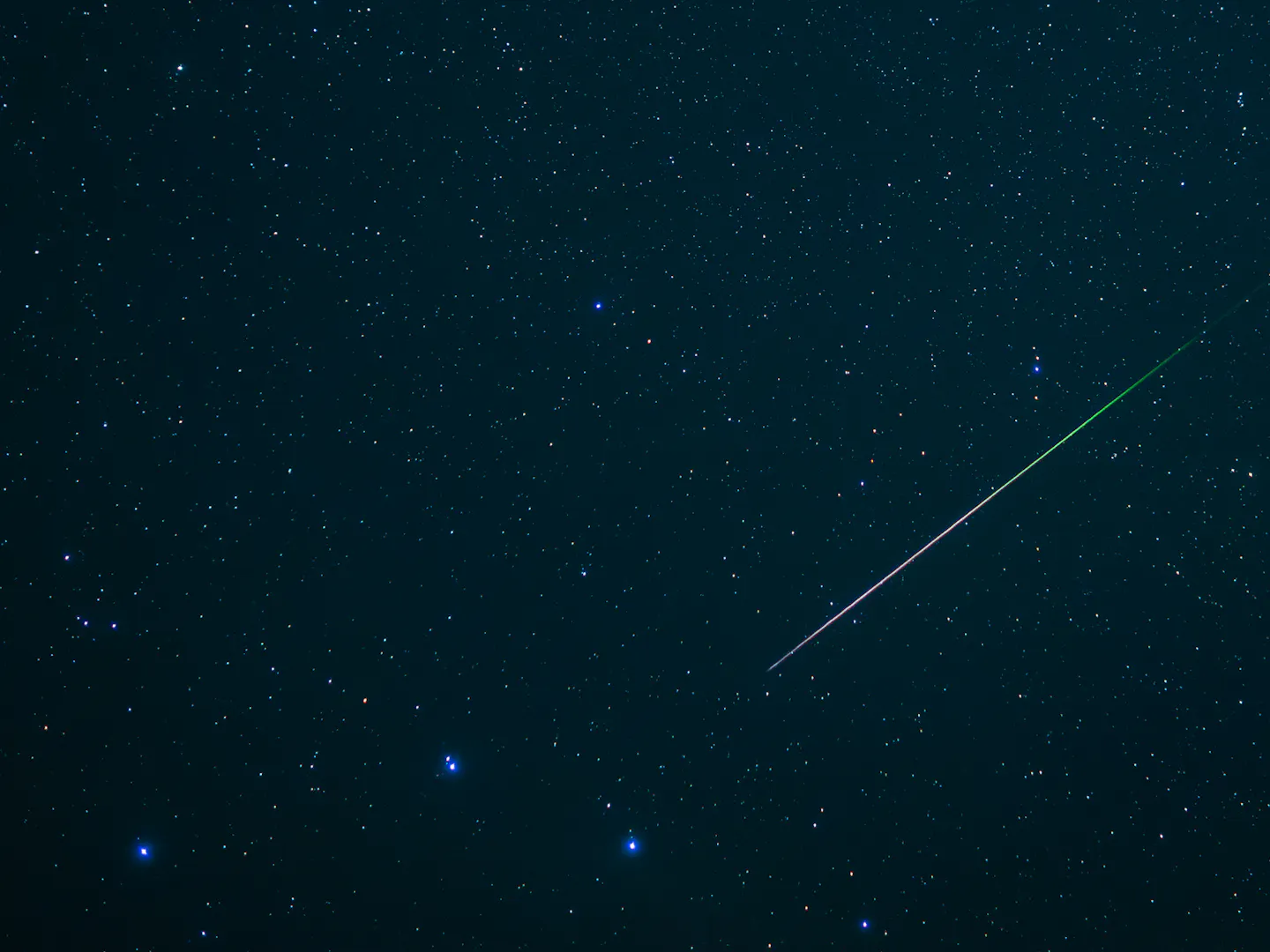
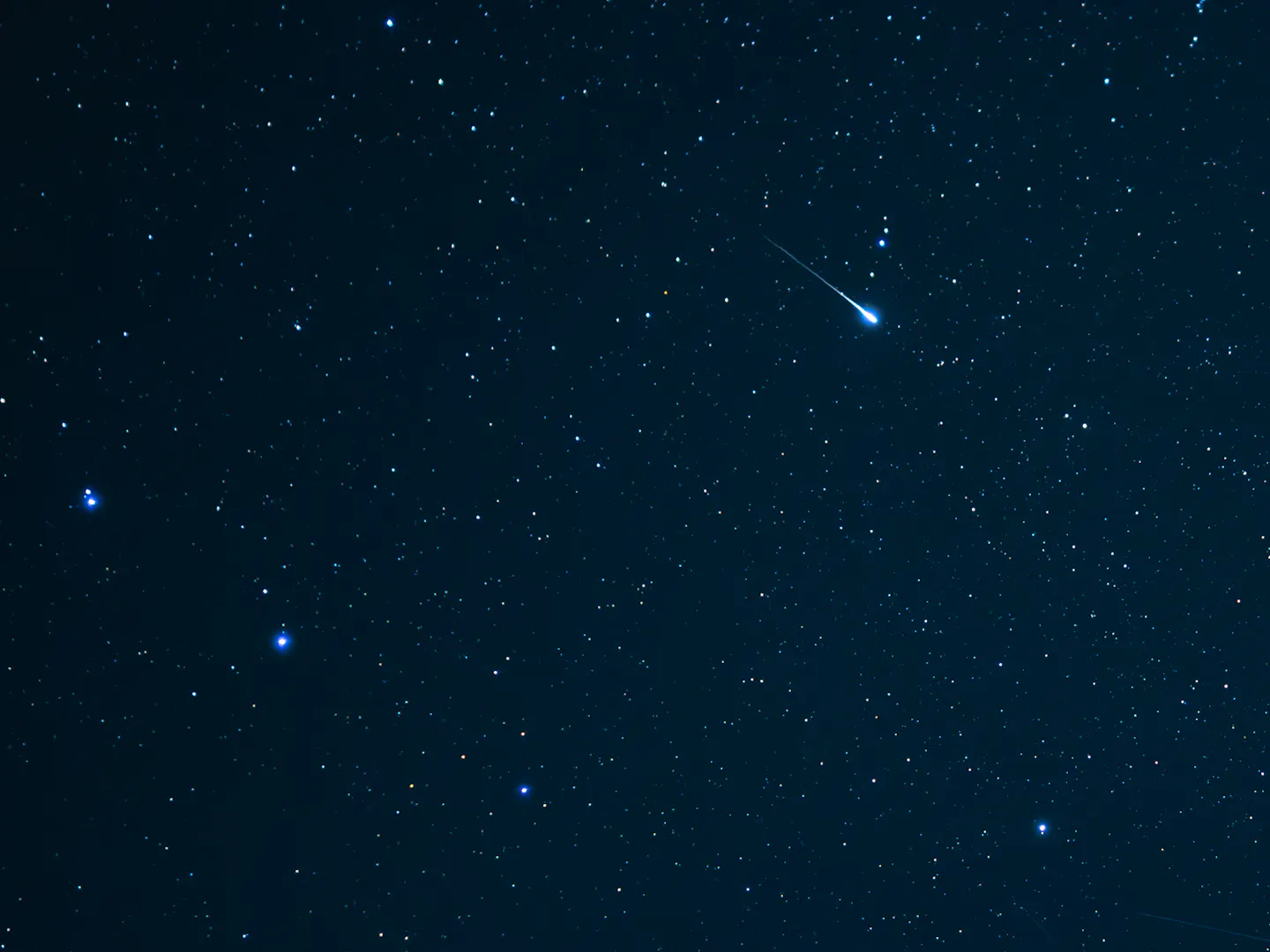
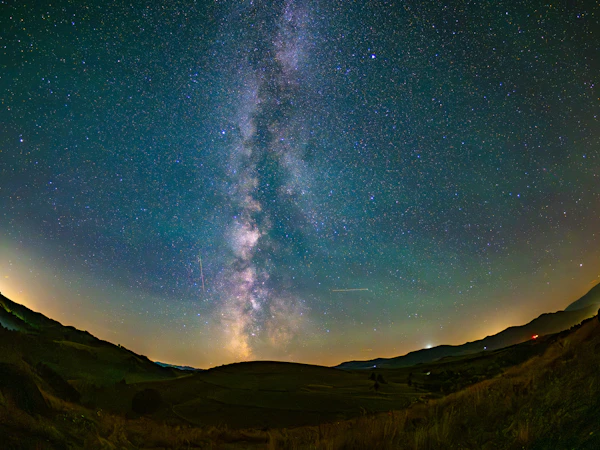
So after spending the evening photographing the Sun and the Moon, I later pointed my camera towards the night sky and managed to capture a few Perseids as well.

Perseid meteor - OM System OM-1 Mark II - M.Zuiko 17mm F1.8
A solar eclipse, a sunset over the Baltic Sea and the Perseids all within a few hours.
It's difficult to ask for a better night as a photographer.
Next stop: totality?
This eclipse was also a good reminder of how much I enjoy photographing astronomical events.
And there is already something much bigger on the horizon.
On August 2, 2027, a total solar eclipse will cross parts of southern Europe, including southern Spain. From locations inside the path of totality, the Moon will completely cover the Sun and turn day into twilight for a few extraordinary minutes.
Southern Spain is already very tempting.
So, who knows?
Maybe next year I'll be photographing the eclipse again, but this time, totality. :)